Flowchart Examples - and What They Become in Real Workflows

Start with simple flowcharts and see how the same processes evolve into structured, executable workflows.
See BPMN Examples

Flowcharts are a great starting point

Flowcharts help you visualize a process quickly.

They are simple, intuitive, and perfect for mapping ideas.

But as soon as a process involves:

  • multiple people
  • approvals
  • decisions
  • exceptions

That's where things start to change.

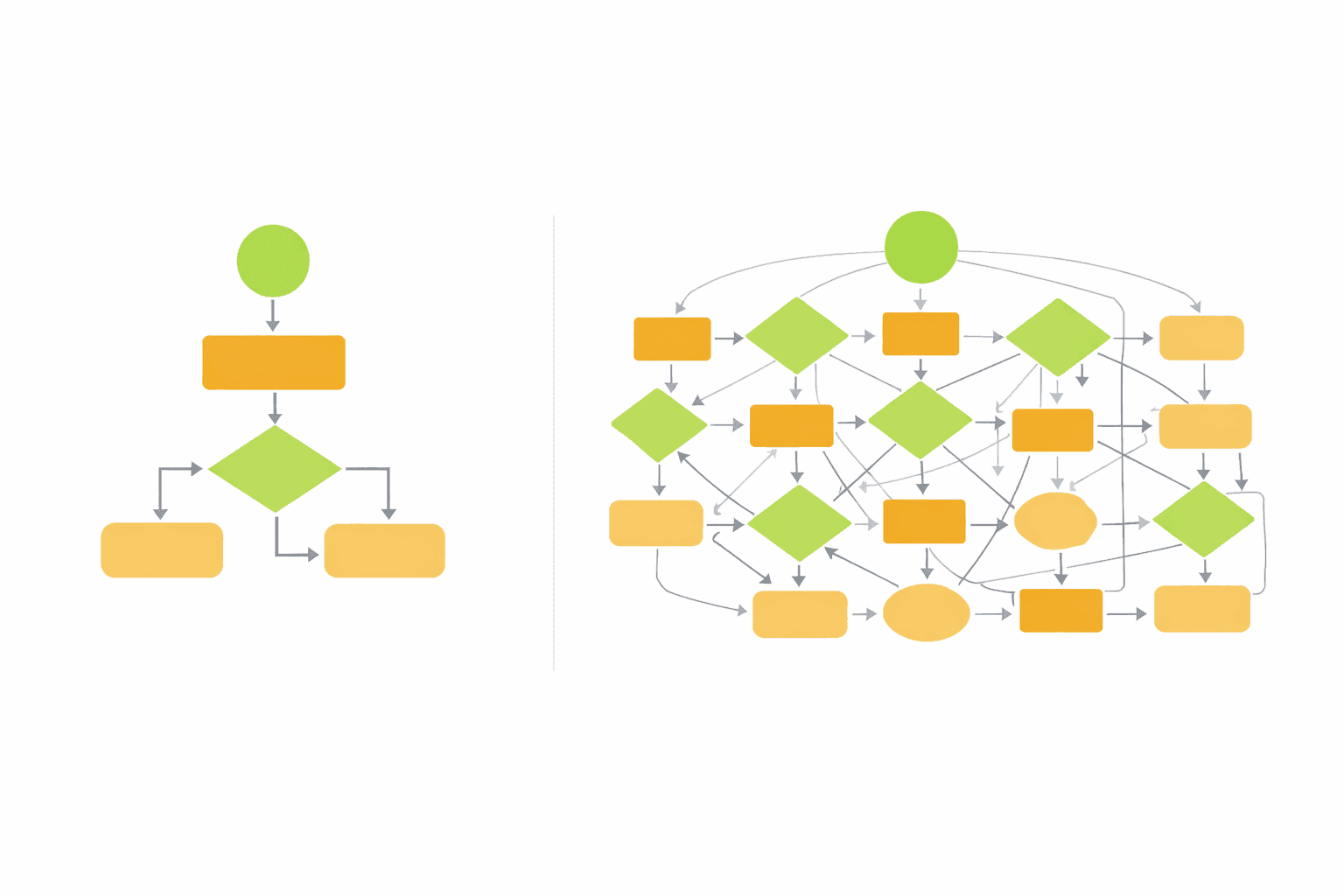
Same process. Different levels of control.

A flowchart shows the flow.

A structured model defines how the process actually works.

Flowcharts imply decisions. Structured models define them clearly.
Decisions

Flowcharts imply decisions. Structured models define them clearly.

Flowcharts don't show ownership. Structured workflows assign roles.
Responsibilities

Flowcharts don't show ownership. Structured workflows assign roles.

Flowcharts follow a simple path. Structured models control every possible route.
Flow logic

Flowcharts follow a simple path. Structured models control every possible route.

Flowcharts describe. Structured workflows can be executed and tracked.
Execution

Flowcharts describe. Structured workflows can be executed and tracked.

Now see how this looks in real examples ↓

Real Flowchart Examples - Side by Side

See how the same process looks as a simple flowchart and as a structured workflow.

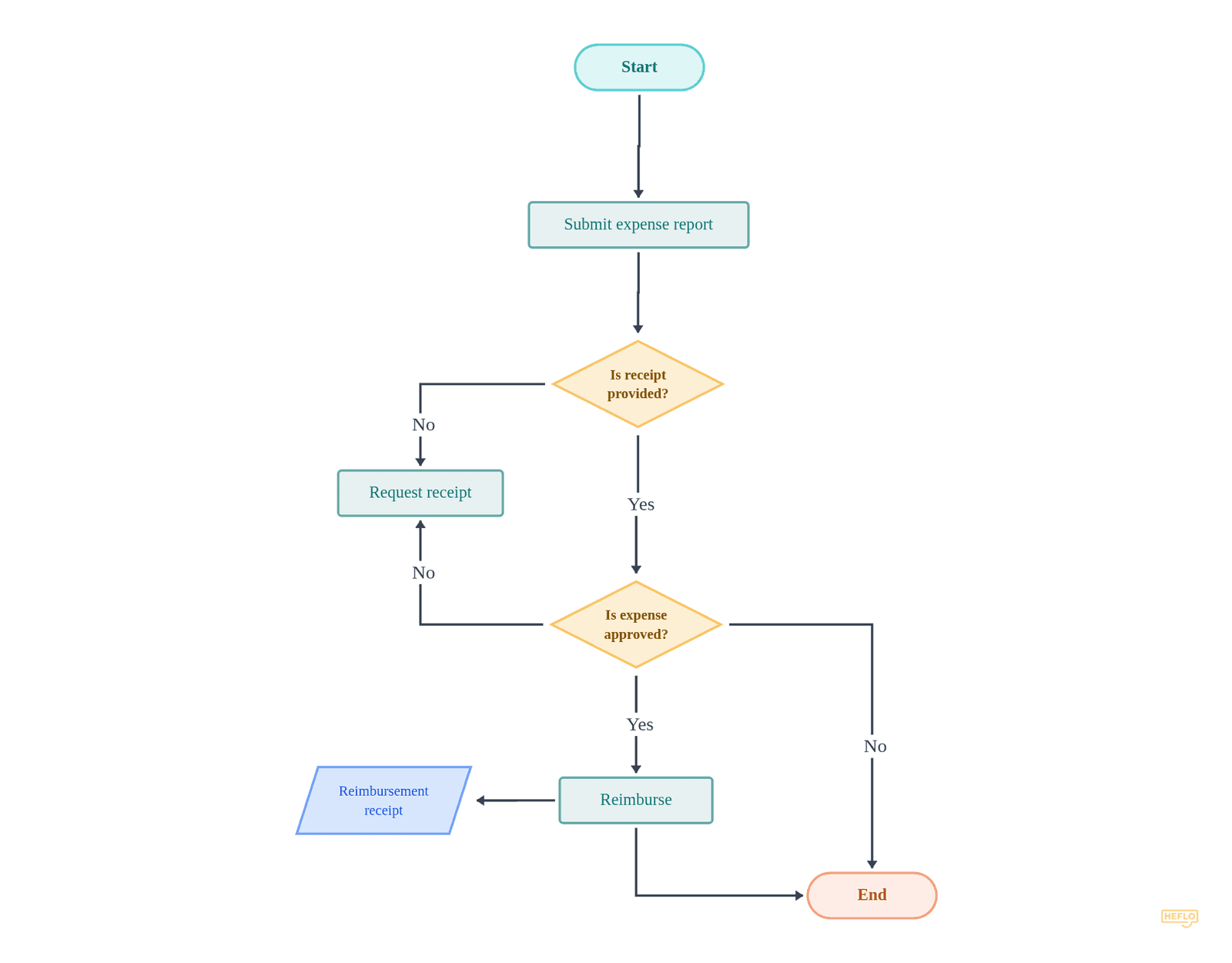
Expense Reimbursement Process

Loading...

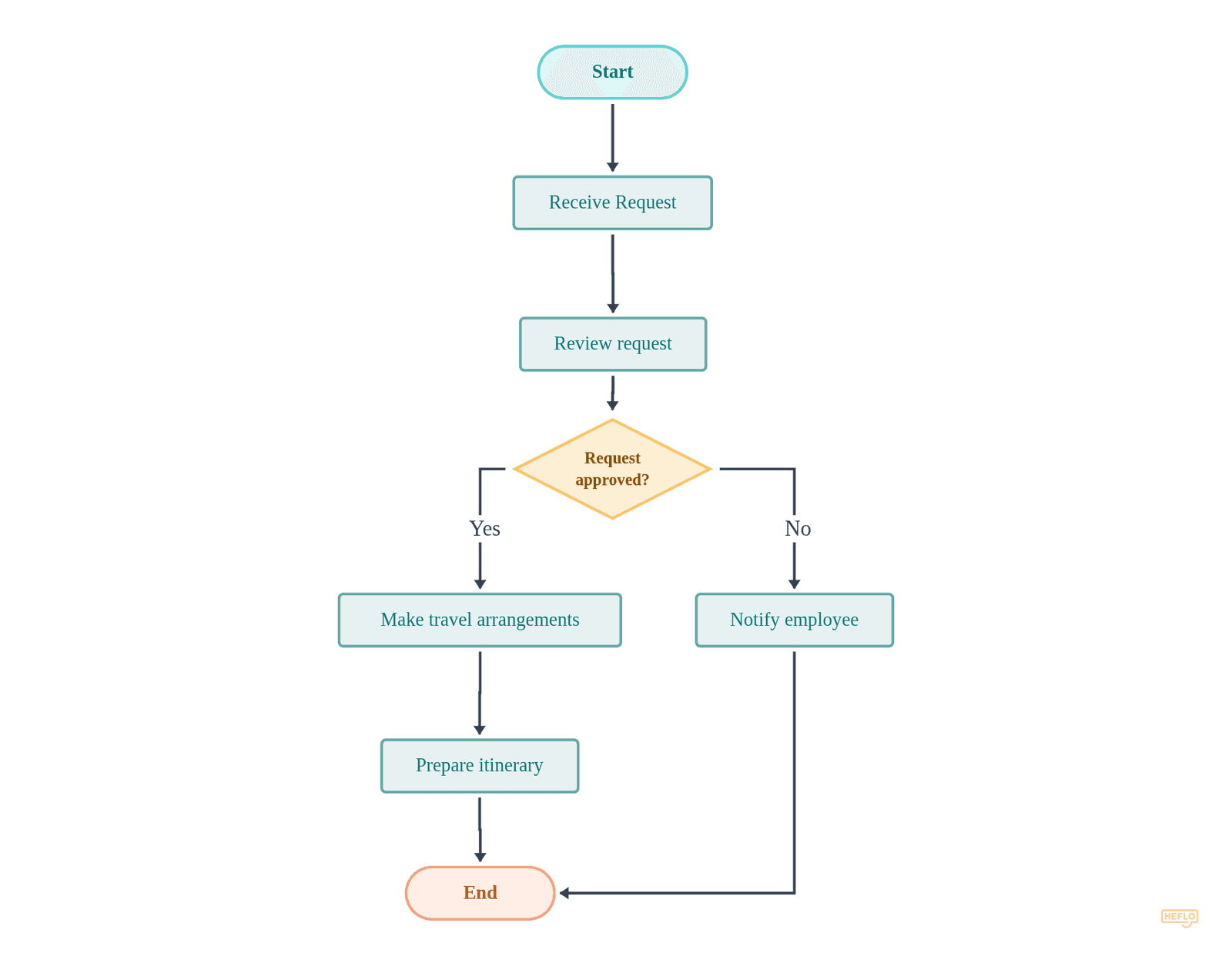
Travel Request Process

Loading...

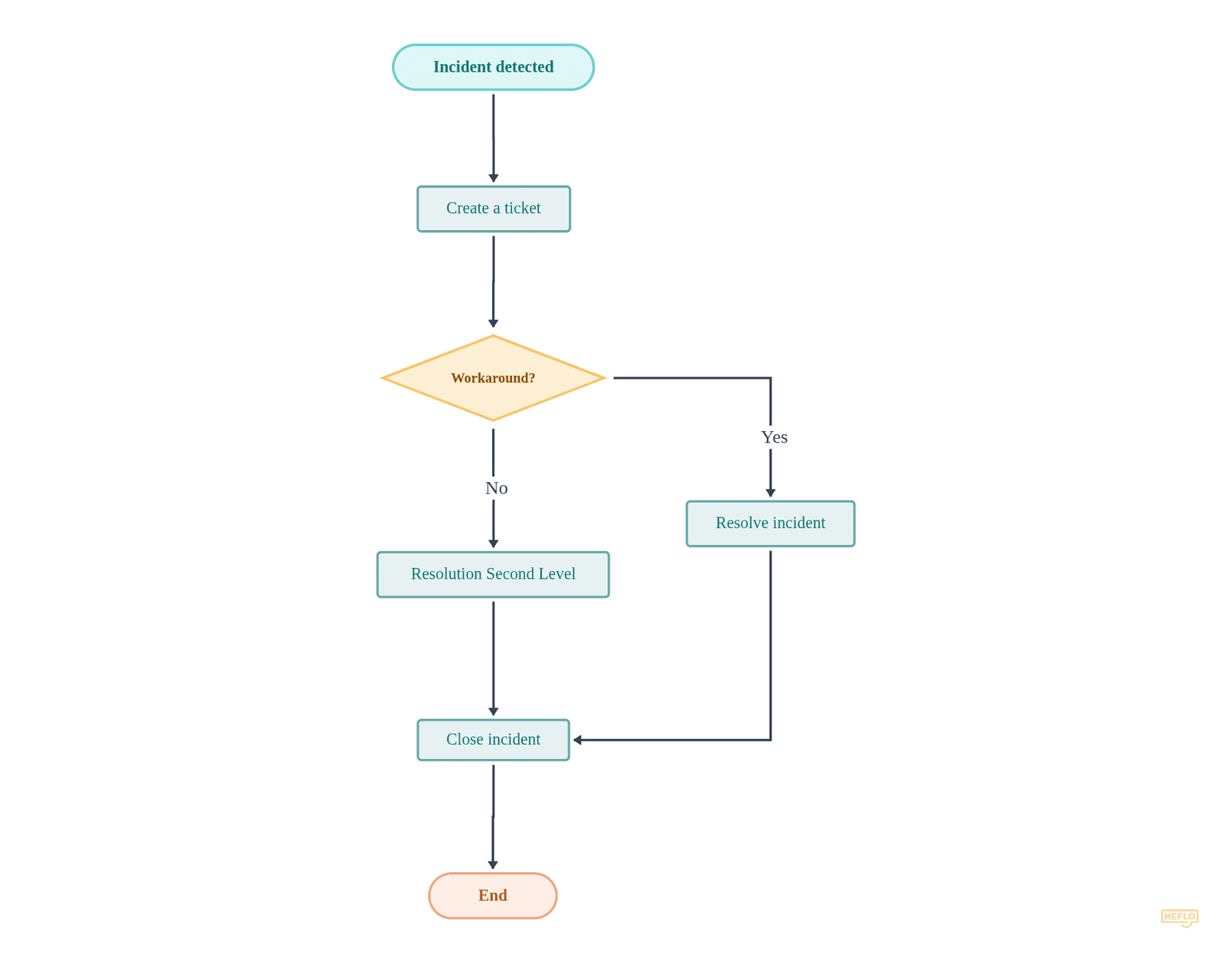
ITIL Incident Management Process

Loading...

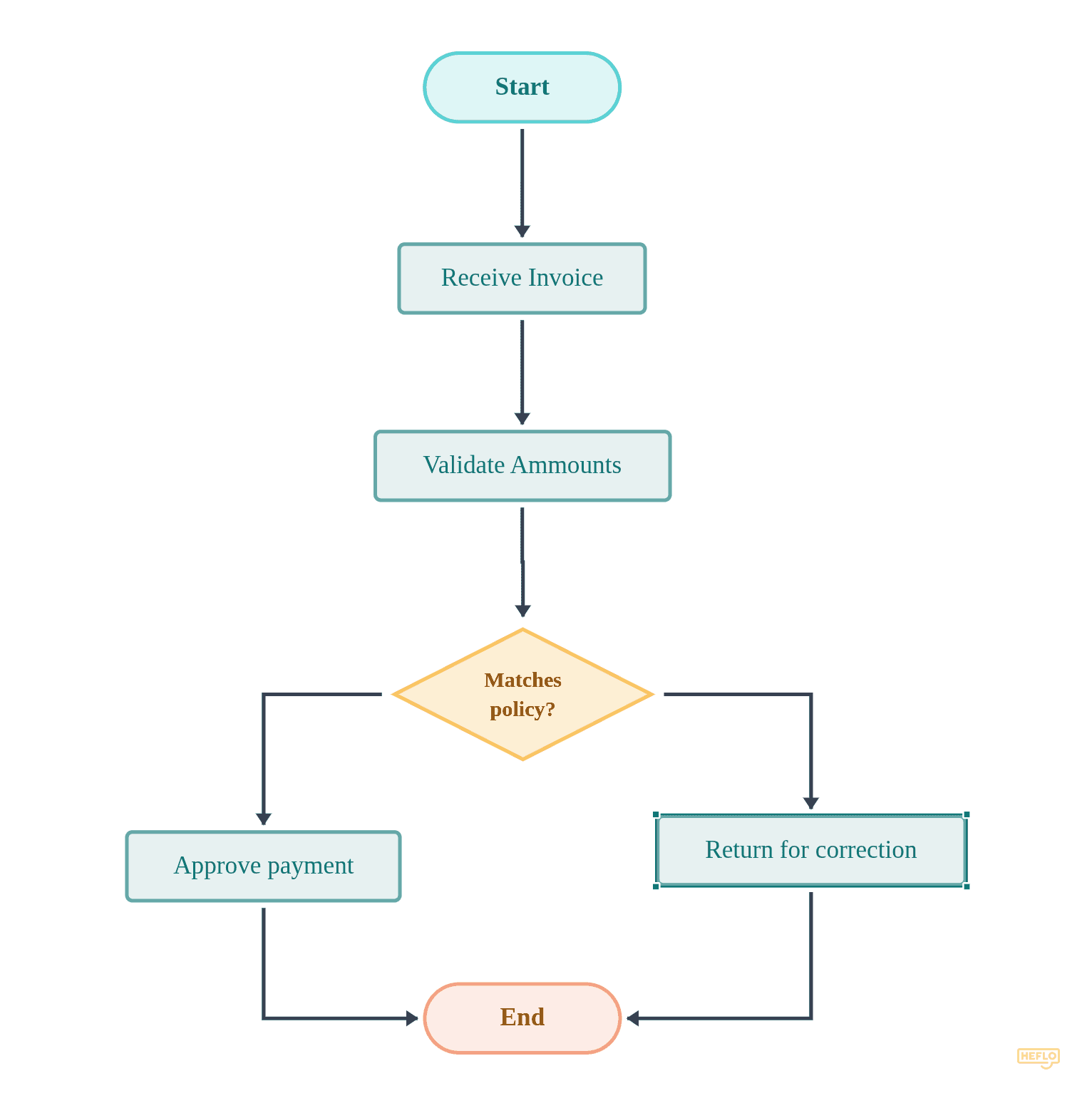
Accounts Payable Process

Loading...

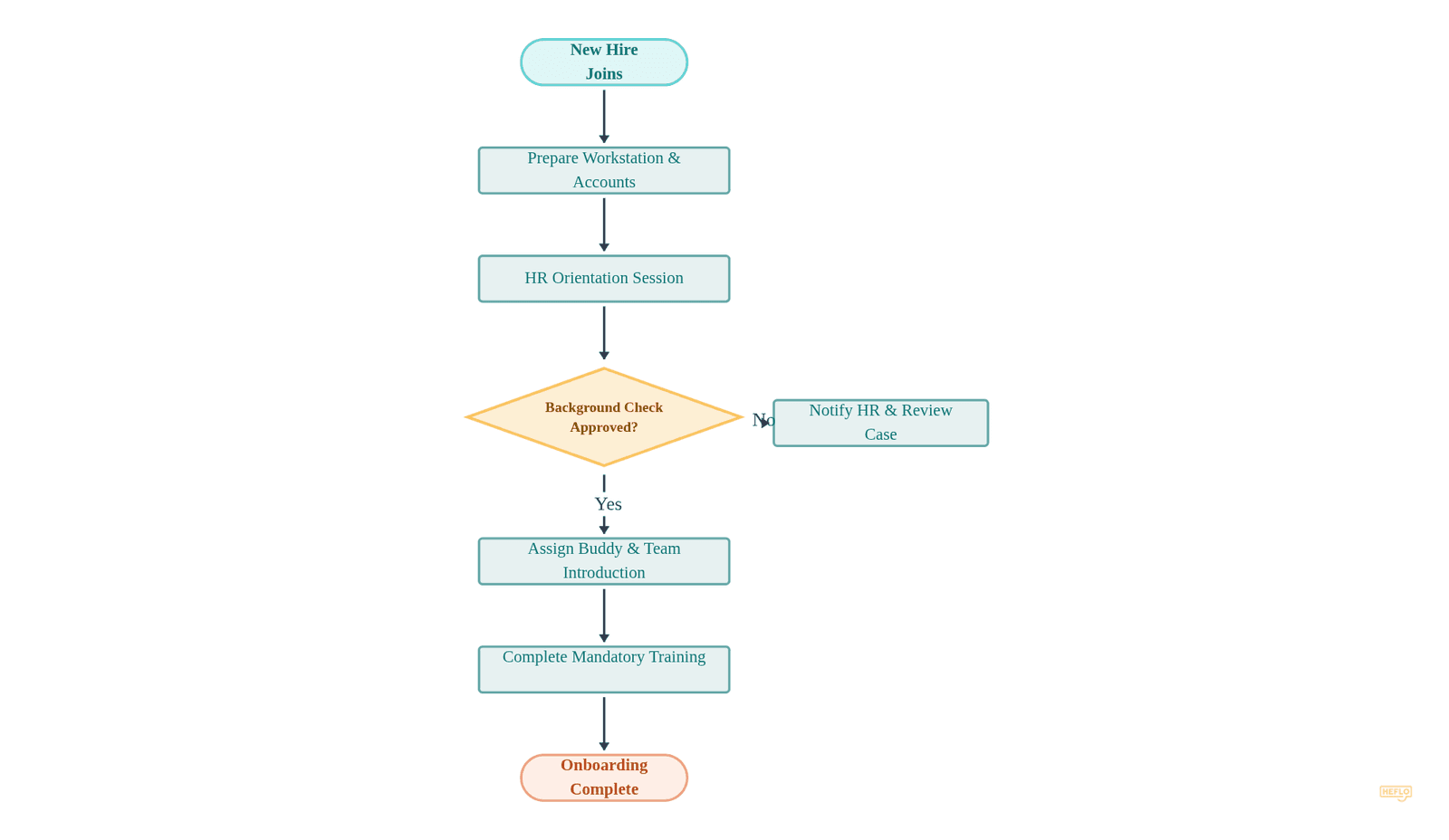
Employee Onboarding Process

Loading...

See how real workflows are structured

Explore BPMN examples with clear roles, decisions and execution logic — and go beyond static flowcharts.
See BPMN Examples

Why flowcharts break in real processes

Flowcharts work well at the beginning.

But as processes grow, they need to handle:

  • multiple people
  • approvals
  • conditions
  • exceptions

That's when simple diagrams stop being enough.

Processes don't just need to be visualized.
They need to be controlled and executed.
From simple diagrams to real process control

Flowcharts help you get started. But real processes require structure, clarity and execution.
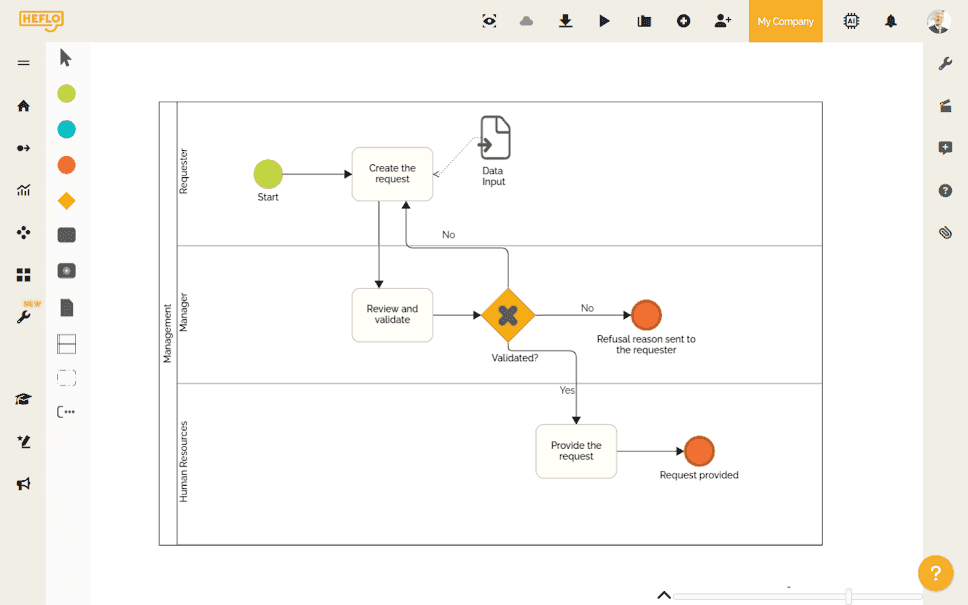
Drag and drop elements to build clear, structured process diagrams — no learning curve. HEFLO helps you model real business scenarios quickly, using standard BPMN notation, so your workflows are easy to understand, document, and improve.
Loading...
Generate polished PDF documentation with diagrams, task descriptions, and key process details — perfect for audits, training, or sharing with stakeholders. The exported file is structured, branded, and ready to be used in formal reviews or internal communication.
Publish your process documentation in multiple languages to support global teams and meet local compliance requirements. HEFLO uses artificial intelligence to help generate accurate task descriptions in different languages, making your workflows accessible and consistent across regions.
Collect feedback directly from users who view the process through the HEFLO Portal. Suggestions are sent to the process analyst, who can review and create a new version. This feedback loop supports continuous improvement and keeps your workflows evolving with real input from the field.
Quickly visualize what was changed, added, or removed between two versions of a process. Ideal for auditing updates, validating improvements, and maintaining full traceability.

What our customers say