Approval Workflow Software
Stop chasing approvals — bring clarity and control to your workflows


What is an approval workflow in practice?
At first, approvals seem simple.
Someone sends a request. Someone approves. Done.
But in real operations, things rarely stay that simple.
Requests get stuck in inboxes. Approvers go on vacation. Decisions depend on data from other systems. And suddenly, no one has a clear view of what's happening.
An approval workflow is how you bring structure to this chaos.
It defines who needs to approve, when, and under what conditions — turning scattered decisions into a reliable process.
Instead of chasing approvals, your workflow moves forward automatically — with visibility, traceability, and control.
Where approval workflows break (and why it matters)
Take control of your approval workflows — before they slow everything down.
Schedule a demo
From simple approvals to structured workflows
Most approval processes don't fail because they are complex.
They fail because they were designed as if they were simple.
What starts as a basic approval quickly evolves into something more:
- approvals with deadlines
- approvals based on business rules
- approvals that depend on external data
- approvals involving multiple teams
The problem is not complexity.
The problem is trying to manage complexity with tools that were never designed for it.
Build structured approval workflows without complexity
Design approval workflows visually
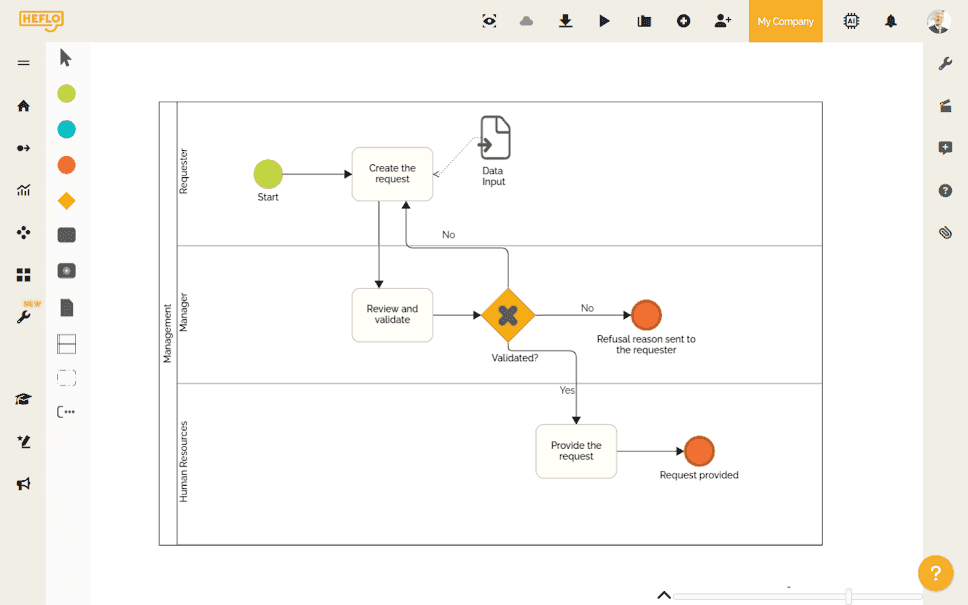
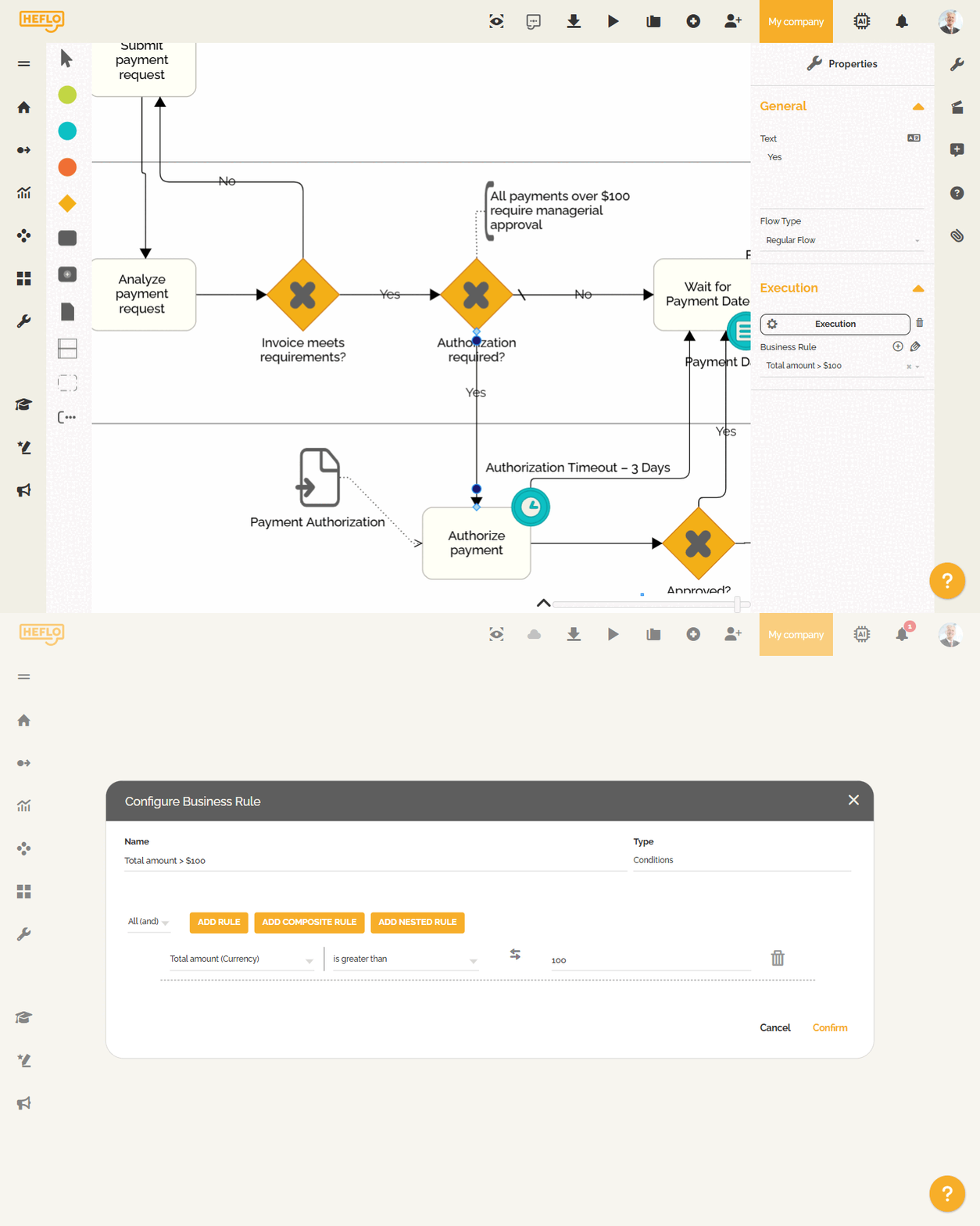
Map your approval process using BPMN — a visual standard that makes workflows easy to understand and improve.
Start simple, then evolve your process as needed.
Handle real-world approval scenarios
Add rules, conditions, and multiple approval paths without losing clarity.
From sequential approvals to complex decision logic, your workflow adapts to your business.
Keep control with full traceability
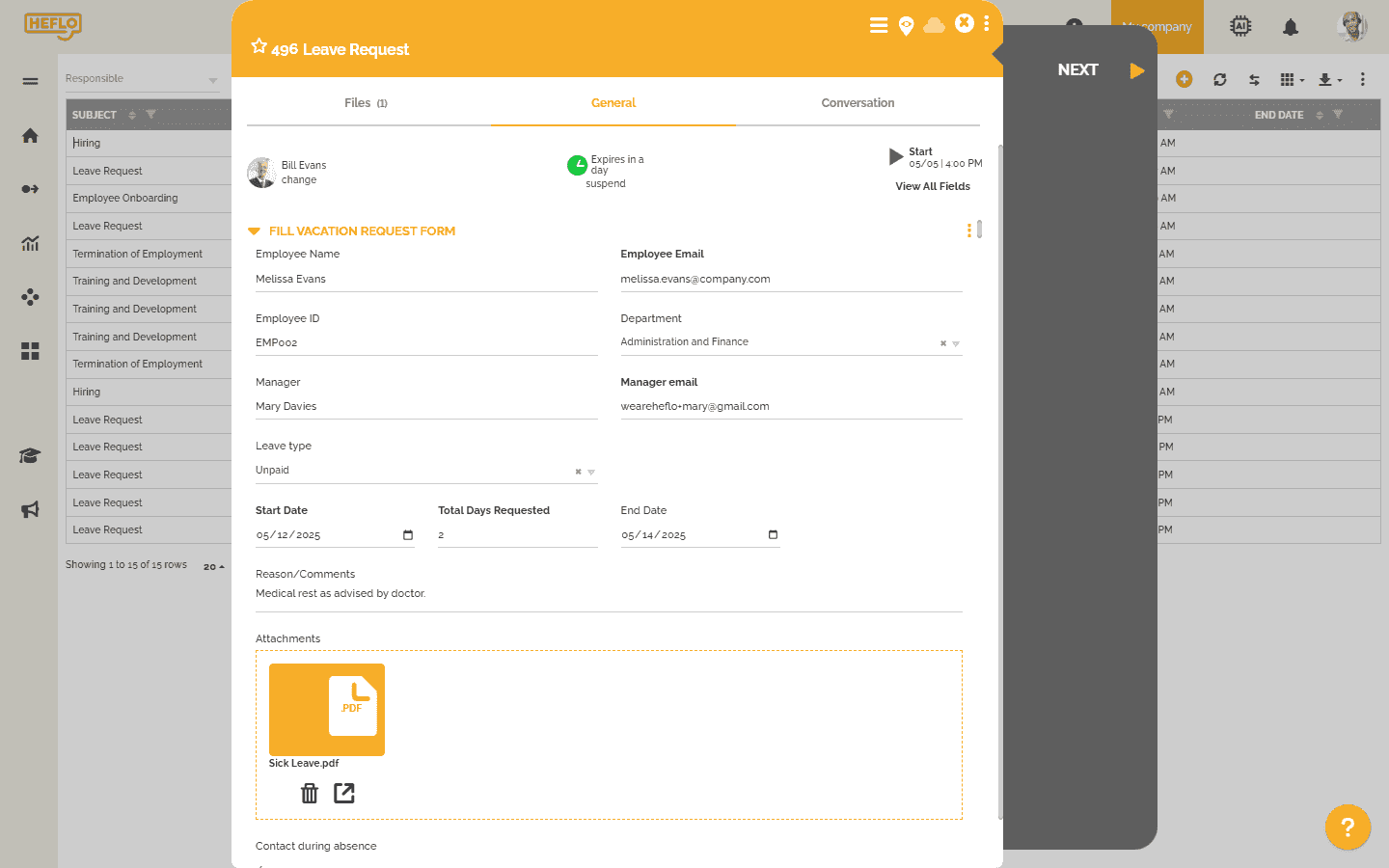
Track every decision, every approval, and every change.
Know exactly who approved what — and when.
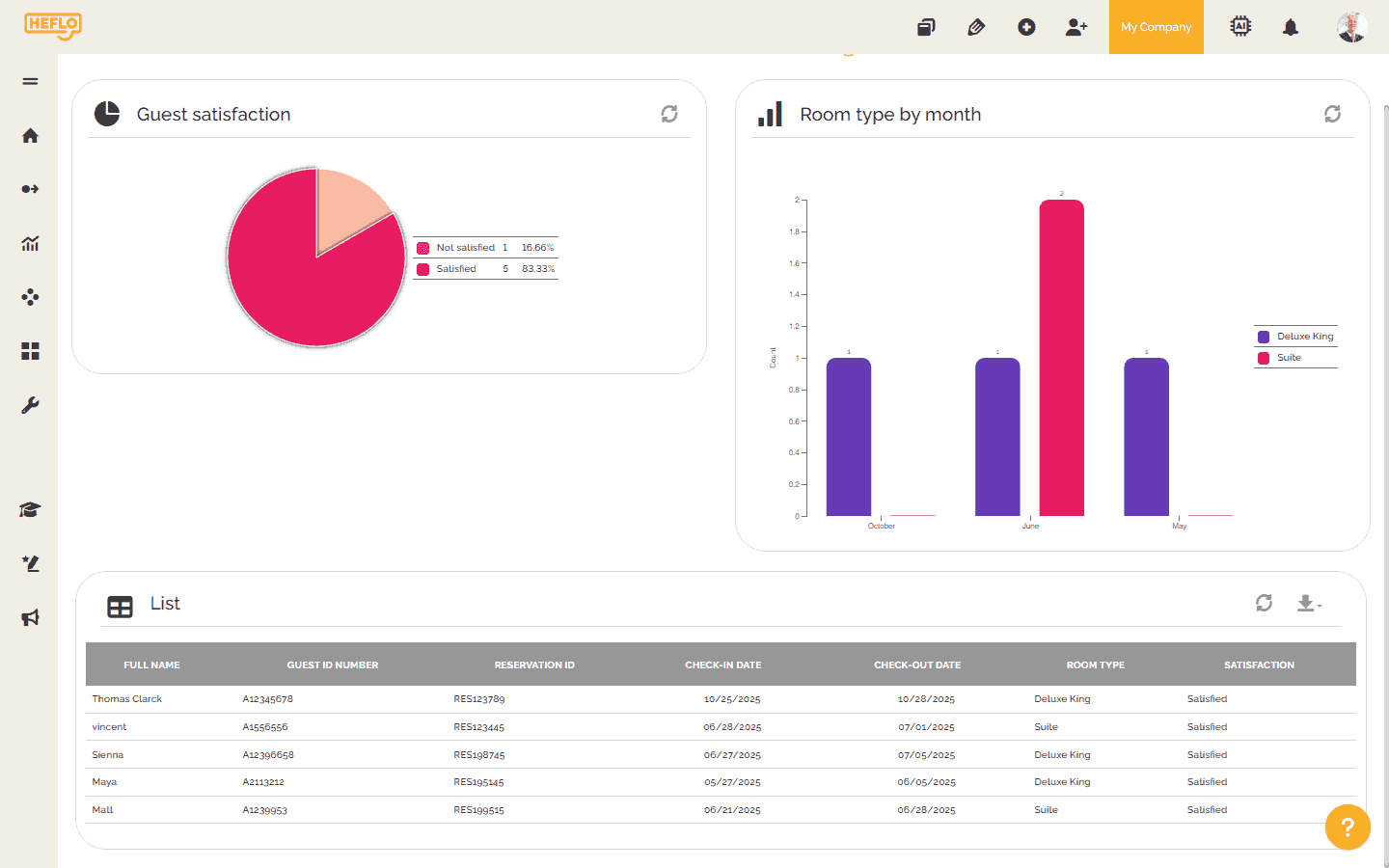
Everything working together in your approval workflow

Build your workflow clearly

Automate decisions with rules
Track every approval step

Keep everyone aligned
Everything you need to manage approval workflows

Ready to create your own approval workflow? Start with a real example.
Schedule a demoTemplates for Free
Start with real approval workflow templates
Don't start from scratch.
Use ready-to-use templates based on real business scenarios — and adapt them to your organization.
- Finance (purchase approval, expense approval)
- HR (vacation request, onboarding approvals)
- Operations (request management, service approvals)
What our customers say about HEFLO
Frequently asked questions about approval workflows
An approval workflow is a structured process that defines how decisions are made — including who approves, in what order, and under which conditions.
In practice, tools like HEFLO allow you to design these workflows visually, making it easier to understand, share, and improve how approvals happen across your organization.
The most common types are sequential, parallel, and conditional workflows.
With HEFLO, you can combine these patterns in a single process — for example, running parallel approvals that only move forward when specific conditions are met.
Approval workflows often get stuck due to missing delegation, unclear rules, or reliance on manual tools like email.
By using a structured workflow with defined roles, automatic routing, and full visibility into each step, you can prevent delays and keep approvals moving.
Yes. Approval workflows can be automated using rules, conditions, and integrations.
In HEFLO, you can define routing logic, set deadlines, and connect your workflow to other systems — ensuring consistency while reducing manual work.
Yes. In real-world scenarios, approvals shouldn't stop just because someone is unavailable.
In HEFLO, you can define substitute approvers for a specific period — such as during vacations or absences — ensuring that workflows continue without delays.
All actions performed by the substitute are fully tracked, so you always know who approved what, and when.
Approval workflows often slow down simply because people don't realize they have pending tasks.
In HEFLO, users receive automatic notifications via email and mobile push — ensuring they know exactly when action is required.
This helps eliminate delays, reduce follow-ups, and keep your workflow moving consistently.
Approvals often get delayed simply because people are away from their desks.
With HEFLO, you can access and manage your workflows from any device thanks to its responsive interface. A mobile app version is also available, making it easier to review and approve tasks on the go — with push notifications to keep you informed in real time.
The best tool is one that lets you start simple but handle real-world complexity as your processes evolve.
HEFLO combines visual modeling (BPMN), automation, and collaboration features, allowing you to design, document, and improve approval workflows in one place.
Want more control, standardization and efficiency in process execution?